How to Store Rice Long Term
Rice has been a staple food for thousands of years. Across much of the world it’s not just another ingredient, it’s the foundation of everyday meals. From small family kitchens to large cities, rice has quietly fed generations because it’s affordable, filling, and remarkably reliable.
That reliability is also what makes rice so useful for long-term food storage. When it’s packaged correctly, white rice can remain stable for decades.
The good news is that storing rice properly isn’t complicated. Once you understand how to protect it from moisture, oxygen, and pests, long-term storage becomes very straightforward.
Let’s walk through the methods that actually work.
Why Rice Stores So Well
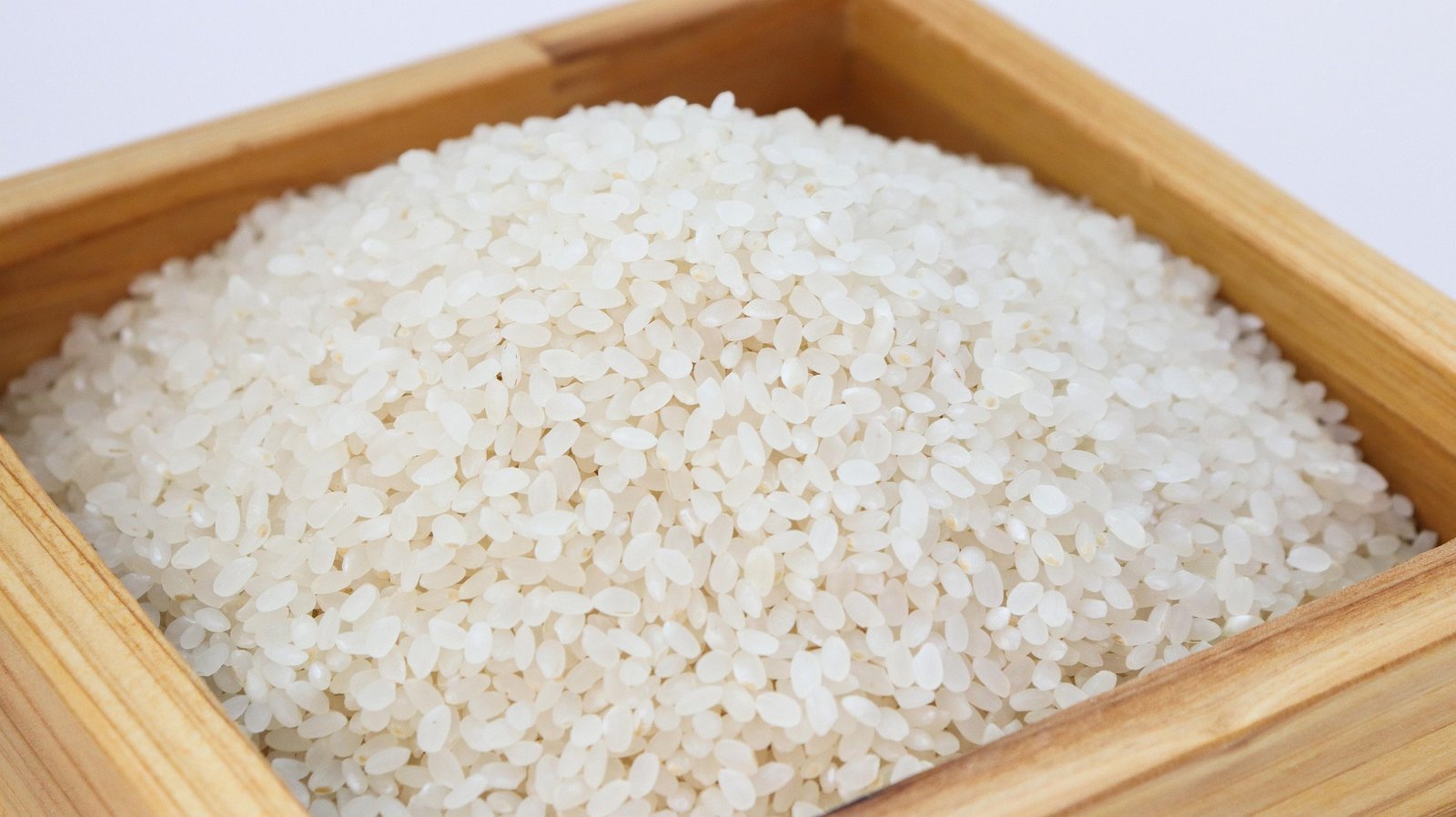
White rice is naturally suited for long-term storage because it contains very little oil. Foods with higher oil content tend to go rancid over time, but white rice stays stable for many years when it’s kept dry and protected.
That’s why rice has been a staple in food storage plans for decades. It provides a large number of calories in a small amount of space and is easy to cook in many different ways.
It’s worth noting that brown rice behaves very differently. Because the bran layer contains natural oils, brown rice typically lasts only 6–12 months in storage before the flavor begins to deteriorate. For long-term reserves, most people rely primarily on white rice.
Three Things That Shorten Rice Shelf Life
Long-term food storage isn’t about special foods. It’s about controlling the environment around them.
When rice spoils or becomes unusable, it’s usually because one of these three factors wasn’t controlled.
Oxygen
Oxygen allows insects and larvae to survive inside stored grain. Even sealed containers can contain tiny insect eggs that eventually hatch if oxygen remains available.
Reducing oxygen levels dramatically increases the stability of stored rice.
Moisture
Moisture is the fastest way to ruin stored food. Even small amounts can lead to mold growth or spoilage over time.
Dry rice combined with a dry storage environment prevents this problem entirely.
Pests
Pantry moths and grain beetles are common kitchen pests. They don’t appear out of nowhere — they arrive in food packaging and multiply when conditions allow.
Proper packaging prevents them from becoming a problem.
The Most Reliable Method: Mylar Bags and Oxygen Absorbers
The method most commonly used for long-term rice storage is simple and inexpensive.
Rice is sealed inside mylar bags, along with oxygen absorbers, and then placed inside food-grade buckets for protection.
Each part of that system has a purpose.
Mylar bags create a strong barrier that blocks light and air. Oxygen absorbers remove the remaining oxygen inside the sealed bag, making it impossible for insects to survive. The bucket protects the food from rodents, physical damage, and accidental punctures.
A typical setup looks like this:
- 5-gallon food-grade bucket
- Mylar liner bag
- Oxygen absorbers (around 2000cc for a full bucket)
One bucket will hold roughly 30–35 pounds of rice, depending on the grain type.
When stored in a cool environment, rice packaged this way can remain stable for 20–30 years.
Other Storage Methods That Can Work
While the mylar-and-bucket method is the most reliable, it isn’t the only option.
Food-Grade Buckets Alone
Buckets without mylar bags will still protect rice from pests and physical damage. However, because oxygen remains inside the container, shelf life will be shorter.
For many households, this approach works well for medium-term storage.
Vacuum-Sealed Bags
Vacuum sealing is convenient for smaller portions of rice. It removes much of the air and provides good protection, though it’s less practical for storing large quantities.
Glass or Pantry Containers
Glass jars and pantry containers are perfectly fine for everyday kitchen storage. They simply aren’t designed for multi-decade storage.
My Take
If you’re planning to store rice for more than a few years, mylar bags with oxygen absorbers are worth the small amount of extra effort. The materials are inexpensive, and once you’ve done it once or twice the process becomes very quick.
It removes most of the uncertainty people feel when they first start building a food reserve.
How Long Rice Actually Lasts
When stored properly in a cool location, white rice can last 20–30 years without losing its usefulness.
Temperature matters more than many people realize. Every 10 degrees of additional heat shortens the life of stored food significantly.
For most households, the best storage locations are:
- interior closets
- cool basements
- pantry shelving away from heat sources
Garages and attics tend to experience large temperature swings, which makes them less ideal for long-term storage.
Common Mistakes to Avoid
Most rice storage problems come from a few simple mistakes.
Storing Brown Rice for Long-Term Reserves
Brown rice is nutritious but has a much shorter shelf life due to its oil content.
Skipping Oxygen Absorbers
Without oxygen control, insects can survive and reproduce inside sealed containers.
Storing Food in Hot Areas
Warm storage environments accelerate food degradation over time.
Getting Started, Practically
You don’t need to build a massive food reserve all at once.
Many households begin with a single bucket of rice and expand gradually as their storage system grows. Over time that approach builds a stable pantry without requiring a large upfront investment.
Preparedness works best when it’s built steadily and thoughtfully, not all at once.