How to Store Dry Beans Long Term
Dry beans have been part of traditional kitchens for generations. Long before modern grocery systems, households relied on simple staple foods that could be stored safely for long periods of time. Beans were one of those foods.
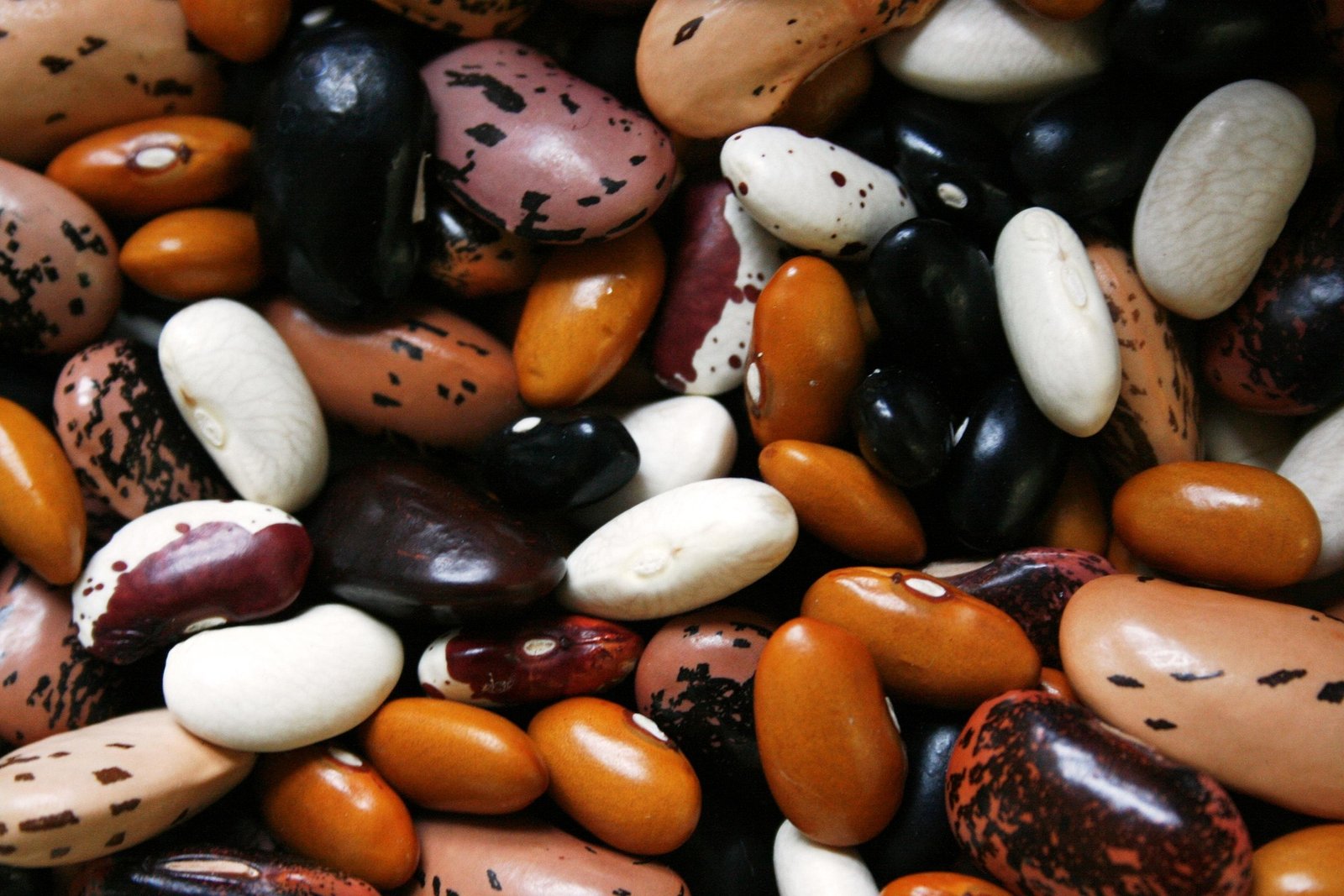
One of the things that makes beans so enduring is the incredible variety available. From familiar pantry staples like pinto and black beans to heirloom varieties that have been carefully preserved for generations, beans come in a wide range of colors, sizes, and flavors. Many families enjoy keeping several types on hand because they bring different textures and character to everyday meals.
That variety also makes beans a practical pantry staple. Whether you prefer traditional beans that appear in grocery stores everywhere or heritage varieties grown by small farmers, they store well and provide reliable nutrition.
Like rice, dry beans can remain usable for decades when protected from moisture, oxygen, and pests. For anyone building a practical pantry, they are one of the most dependable foods you can store.
Let’s walk through the storage methods that work best.
Why Beans Store So Well
Dry beans store well because they contain very little moisture. When they are kept dry and protected from air, their natural structure remains stable for many years.
They are also surprisingly nutritious. Beans provide protein, fiber, and calories while taking up relatively little space in a pantry. That combination has made them a dependable staple in kitchens all over the world.
Over long periods of time beans can become harder to cook, but they rarely spoil if they have been stored properly.
Three Things That Shorten Shelf Life
Long-term food storage is mostly about controlling the environment around the food. Beans remain stable for many years when three factors are managed carefully.
Oxygen
Oxygen allows insects and larvae to survive in stored food. Even sealed containers may contain tiny insect eggs that can hatch if oxygen is present.
Reducing oxygen levels prevents those pests from becoming established.
Moisture
Moisture is the fastest way to ruin stored food. Even a small amount of humidity can lead to mold growth over time.
Dry beans combined with a dry storage environment remain stable for decades.
Pests
Pantry moths and grain beetles are extremely common in kitchens. Proper packaging prevents them from multiplying inside stored food.
The Most Reliable Storage Method
The most dependable method for long-term bean storage is the same method used for storing rice.
Beans are sealed inside mylar bags with oxygen absorbers, and those bags are placed inside food-grade buckets.
Each part of the system plays an important role.
Mylar bags block light and air. Oxygen absorbers remove the remaining oxygen inside the sealed bag, which prevents insects from surviving. The bucket protects the food from rodents and physical damage.
A standard 5-gallon bucket typically holds around 30 pounds of dry beans, depending on the variety.
When stored in a cool environment, beans packaged this way can remain usable for 20 years or more.
Other Storage Methods That Work
The mylar-and-bucket method is the most reliable, but there are other options that work well for shorter storage periods.
Food-Grade Buckets Alone
Buckets without mylar bags still protect beans from pests and damage. However, because oxygen remains inside the container, shelf life will be shorter.
For many households, this method works well for medium-term pantry storage.
Vacuum-Sealed Bags
Vacuum sealing is useful when storing smaller portions. It removes much of the air and keeps beans protected from pests.
This approach is convenient but less practical for storing large quantities.
Pantry Containers
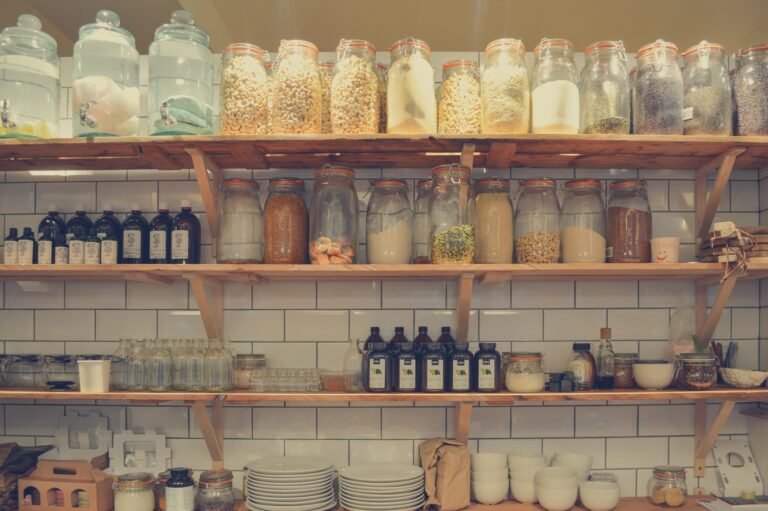
Glass jars or sealed pantry containers work perfectly for everyday kitchen use. They simply are not designed for multi-decade storage.
My Take
If you’re just getting started with storing beans, it’s perfectly fine to begin small. You don’t need a basement full of buckets to build a practical pantry.
Many households start by storing a few foods they already cook with regularly — things like rice, beans, oats, and flour. Once you understand how to package them properly, the process becomes very simple.
Over time, that small system grows naturally. A bucket here, a few jars there, and before long you have a pantry that gives you real flexibility. It doesn’t have to look dramatic or extreme. Often it simply looks like a well-organized kitchen that’s ready for whatever comes next.
What Happens to Beans Over Time
Beans stored for very long periods slowly lose moisture. When that happens, they can take longer to soften during cooking.
Soaking beans overnight helps, and pressure cookers can make older beans much easier to prepare.
Even when cooking times increase, properly stored beans remain safe and nutritious.
Choosing a Good Storage Location
Temperature has a significant impact on long-term food storage.
Cool environments help preserve food for much longer periods of time.
Good storage locations include:
- interior closets
- cool basements
- pantry shelves away from heat sources
Garages and attics often experience large temperature swings, which can shorten the life of stored food.
A Practical Way to Start
You don’t need to build a large food reserve all at once.
Many households begin by storing staple foods they already use regularly; rice, beans, oats, and flour. Over time those foods naturally become part of a larger pantry that provides flexibility and stability.
Preparedness doesn’t need to feel dramatic or complicated. Often it simply looks like a well-organized kitchen.
Related Reading
If you are also storing rice, this guide may be helpful:
Rice and beans are often stored together because they are affordable, dependable, and complement each other well in everyday cooking.