
How to Prepare for Power Outages
The longest power outage I’ve lived through lasted four days. Not catastrophic, but just long enough to change how the house felt.
We were in the middle of a blizzard, hunkered down for what promised to be a massive snowmaker. So, you’ll probably be surprised to hear the blizzard isn’t what took my power down.
It was ants. In Ohio.
Bugs living two states away gnawed through some *very specific* poles, and caused a widespread power outage in my area.
By the second night, the refrigerator was warm. Easy enough, we’ll just pop the food in a cooler outside. The house was colder than expected. Our back up heat source was only intended to last 2 days, so we were conserving hard and trying to protect plumbing and people. Flashlights started migrating from room to room as we used them, which meant they weren’t where we expected them to be, and dark comes early in the winter.
Nothing was dangerous, but everything was harder. That’s what most outages are like.
And that’s exactly why they’re one of the best places to start preparing.
Why Power Outage Preparedness Comes First
Power outages affect almost everything at once:
- light
- refrigeration
- communication
- heating and cooling
- cooking
- water (in some homes)
You don’t need extreme conditions for them to matter, even a short outage is a great way to test what you need. Preparing for outages builds stability quickly because the same steps also help during:
- winter storms
- summer storms
- infrastructure failures
- supply interruptions
- short-term emergencies of any kind
It’s one of the highest-return places to begin.
What Most People Expect vs. What Actually Happens
Before my first extended outage, I assumed the biggest issue would be darkness.
It absolutely wasn’t.
The trouble caused by an outage doesn’t boil down to one simple issue, it compounds like the world’s worst version of Give a Mouse a Cookie.
You need to make a meal, but first you need to know what needs to eaten first, and whether it’s already cooked or needs to be cooked. But before you can figure that out, you need a plan to keep the food cool so the fridge doesn’t just hang open while you figure it out. And before you can make that plan, you need a flashlight so you can see inside the fridge, but you can’t find that because you moved it up a flight of stairs to the bedroom when you were looking for a blanket….
None of those problems are serious by themselves, but together, they make a house feel unsettled. Preparedness fixes that.
The Four Things That Matter Most During an Outage
You don’t need to prepare for everything at once.
Start here:
light
temperature safety
food access
communication
If those are covered, most outages become manageable instead of stressful.
A Practical Power Outage Starter Checklist
In my experience, these are the upgrades that make the biggest difference immediately.
Lighting
- a flashlight in each main room
- one dedicated bedside flashlight
- spare batteries stored in one location
- a hands-free light source (headlamp or lantern)
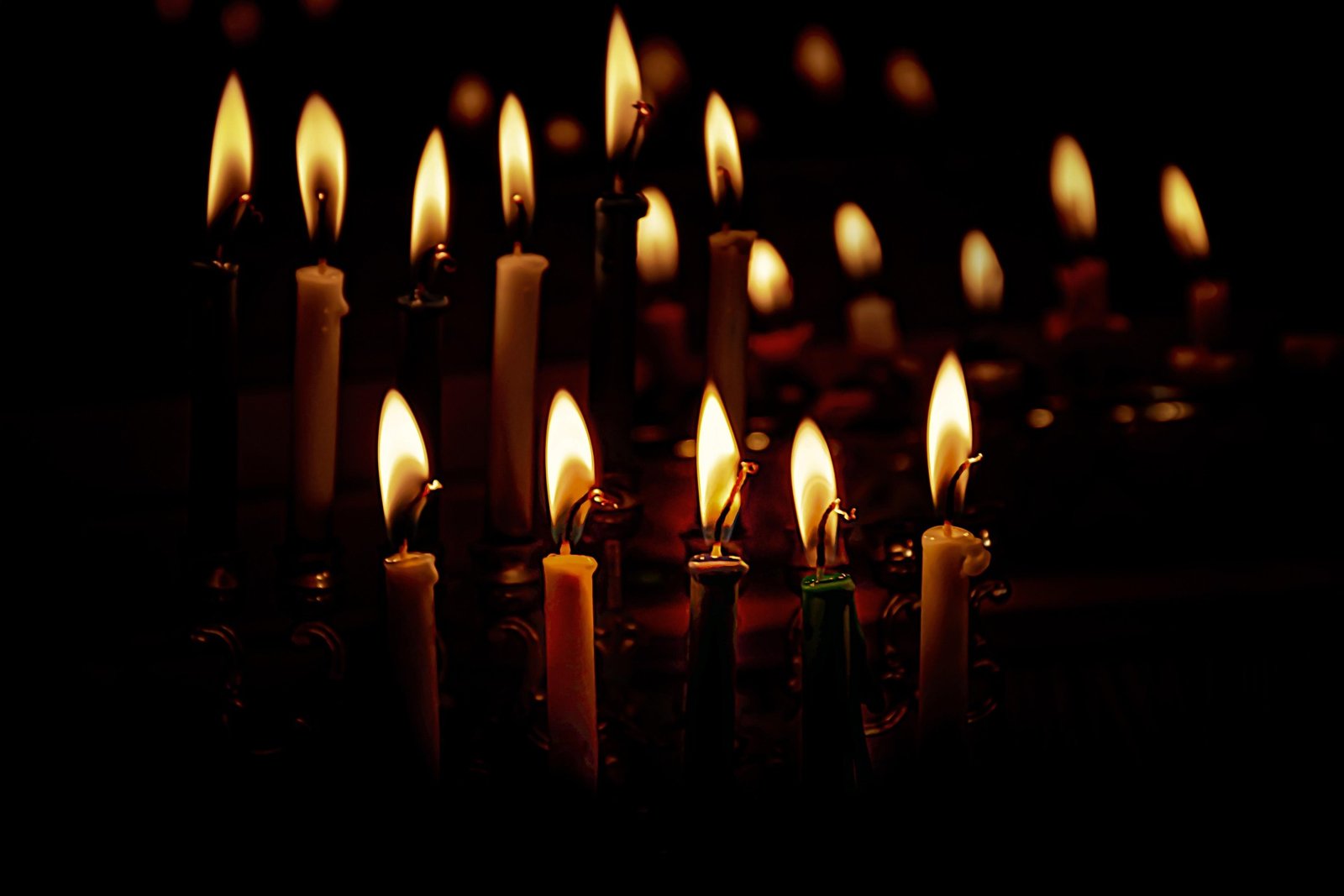
Candles are optional. Focus on reliable light.
Communication
- one charged power bank per household member if possible
- vehicle charging backup plan
- written emergency contact list
Batteries have a habit of failing, but phones rarely do.
Food Access
- shelf-stable meals that require no refrigeration
- foods that do not require cooking
- manual can opener if needed
This doesn’t require a special emergency pantry, just a few supplies you like to eat that are set aside in case you need them.
Temperature Safety
- extra blankets
- layered clothing
- warm socks accessible at night
- safe backup heating plan if your home depends on electricity
Staying comfortable is hands down the biggest game changer in my preparedness plan. Warmth overnight matters more than most people expect.
My Take
Most preparedness advice begins with worst-case scenarios, but I think it’s more useful to start with inconvenience. Power outages expose where your household depends on systems you normally don’t notice.
If your house stays steady during a four-day outage, it will stay steady during most other disruptions too.
What Comes Next
Once the simple pieces are in place, you can expand naturally:
- a slightly deeper pantry
- longer phone charging capacity
- small water storage
- alternative cooking options
- safe indoor heat backup if appropriate
The best part is, you don’t have to do everything at once. Power outage readiness works best as a first layer. It supports almost every other kind of preparedness you build later, and that’s the beauty of preparedness.